
Are you ready for the ultimate return of elite fifty over international competition? The global sports community is buzzing with excitement as details emerge regarding the structure of the next major cricket world cup edition. Fans worldwide are already clearing their schedules for a massive window of action on African soil. If you love tracking live stats, discussing strategy, or exploring interactive platform options like NotOut, the upcoming season promises unparalleled drama.
The next edition of this premium tournament marks a significant shift in format that will welcome more teams and a classic competitive layout. Teams like bangladesh are already laying down meticulous groundwork to handle the unique weather and challenging pitch conditions. In this detailed roadmap, we explore the official schedule window, host nation developments, and tactical adjustments required to conquer the 2027 world cup cricket landscape.
Tournament Window and Host Nation Geography
The upcoming installment of the iconic cricket world cup will be jointly hosted across three distinct nations in Southern Africa. The primary action is scheduled to commence in early October, culminating in a historic final battle in late November. This forty eight day window will feature a dense collection of intense rivalries and high stakes matches.
The hosting duties will be shared among three passionate sporting nations:
- South Africa (Primary host with thirty eight matches)
- Zimbabwe (Co host with nine matches)
- Namibia (Co host making its historic tournament debut with seven matches)
South Africa will manage the largest share of the tournament, providing eight premier venues including the historic Wanderers in Johannesburg and Cape Town. Infrastructure upgrades are already moving fast as reported by authoritative outlets like BBC Sports to ensure perfect lighting and player facilities. If you follow modern sports updates on NotOut, you know that pitch preparation in these regions plays a massive role in match outcomes.
The Massive Format Shift: Return of Fourteen Teams
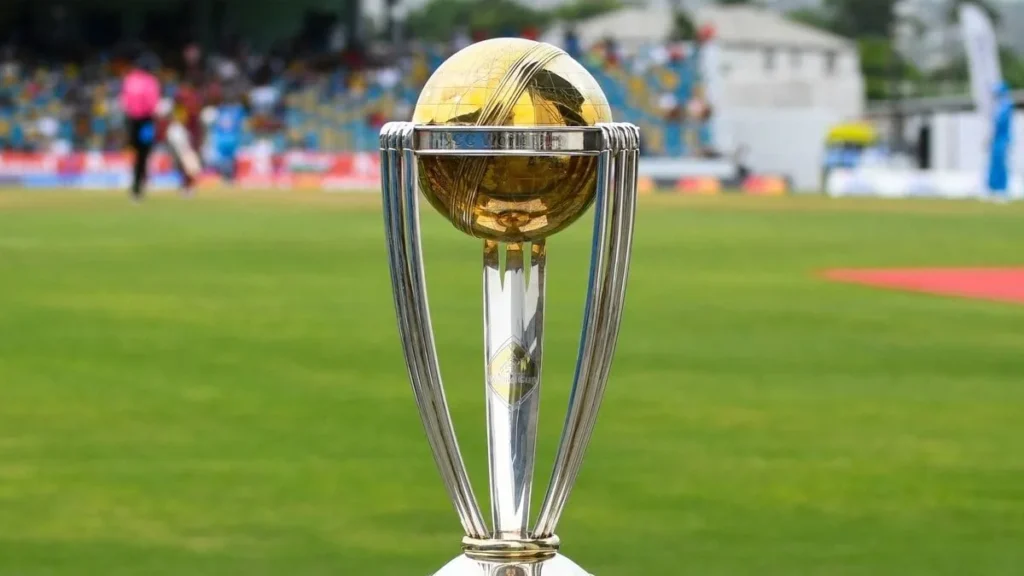
One of the biggest talking points surrounding the 2027 world cup cricket layout is the departure from the previous ten team system. The International Cricket Council has chosen to revive the popular fourteen team format, giving associate nations a better shot at global glory. This ensures a more inclusive celebration of cricket talent from different corners of the globe.
The fourteen participating nations will be divided into two competitive groups of seven. Every country will play against their respective group opponents once in a round robin fashion. The top three squads from each group will advance to the legendary Super Six stage. From there, the competition peaks as the top four sides enter the knockout semifinals, leading to the ultimate trophy match in late November.
For analytical sports fans who enjoy reviewing game data on Not Out, this structural modification offers immense strategic depth. It reduces the harsh penalty of a single bad day in the early phase and heavily rewards teams with a reliable squad depth. Keeping track of these group balances becomes incredibly engaging for anyone participating in Notout Games discussions.
Infrastructure Upgrades and Majestic Venues
Organizing a fifty four match global tournament requires pristine facilities and resilient pitches. South Africa is leading the construction efforts, making sure traditional venues like Kingsmead in Durban are in top shape. These grounds are famous for providing high bounce and quick outfields, which guarantees excellent standard entertainment.
Zimbabwe is also making massive headlines with spectacular stadium development projects. Along with hosting matches at Harare Sports Club and Bulawayo, a fresh international venue is being built close to Victoria Falls. The new venue is expected to finish construction later this year, hosting domestic trials before welcoming the global cricket world cup matches. This picturesque location will give television audiences an unforgettable viewing experience.
Qualification Pathways for Bangladesh and Global Contenders
How do global squads secure their spots in this highly anticipated tournament? The qualification journey is incredibly competitive, with very few automatic safety nets. South Africa and Zimbabwe get a direct entry pass as full member host nations. Interestingly, Namibia must compete through the rigorous global qualifier tournaments despite being a co host.
The remaining spots are determined by official One Day International rankings and secondary qualifying pathways. The national team of bangladesh is working around the clock to sustain a secure position in the top rankings. The tigers have established themselves as a formidable unit in fifty over cricket, and fans throughout bangladesh are optimistic about a historic deep run into the knockout stages.
Monitoring the preparation tours of Bangladesh is highly essential for local enthusiasts. Every single bilateral series serves as a crucial building block for their main squad combination. Digital sports enthusiasts often rely on comprehensive statistical tracking platforms like Not Out BD to monitor player consistency and injury updates as the qualification deadlines approach.
Tactical Challenges and Pitch Evolution
Thriving in African conditions demands a deep understanding of tactical adjustments and changing pitch characteristics. Staging matches throughout October and November means teams will navigate an evolving weather pattern. Early games will likely feature a bit of moisture and green grass on the pitches, giving fast bowlers an early advantage.
As the tournament progresses into late November, the constant wear and tear will turn the surfaces dry and cracked. This change will shift the advantage heavily toward spin bowlers and tactical variations. Squad depth will be the ultimate defining factor between champions and regular contenders. Teams cannot afford to rely on just eleven star players, they need versatile all rounders who can pivot strategies instantly.
Direct Answers for Quick Sports Queries
To help you stay completely ahead of the game, here is a quick overview of the essential tournament facts:
- Core Hosting Countries: South Africa, Zimbabwe, and Namibia
- Total Participating Teams: Fourteen nations split into two equal groups
- Total Matches in the Tournament: Fifty four games including the Super Six phase
- Core Structural Format: Group stages followed by Super Six, semifinals, and the final
If you want to keep a close eye on match projections and tactical data, utilizing analytical insights from platforms like NotOut will give you an excellent understanding of how teams are positioning themselves.
Detailed View of the Tournament Layout
To better understand the competitive journey, let us look at how the entire structure organizes its phases:
| Stage Name | Number of Teams | Match Count | Progression Rule |
| Group Stage | Fourteen teams split into two groups | Forty two matches | Top three from each group move to Super Six |
| Super Six | Six qualified teams | Nine matches | Top four move directly to semifinals |
| Knockout Finals | Four qualified teams | Three matches | Semifinals determine the grand finalists |
Summary of Key Milestones
To visualize the long road ahead, let us map out the essential steps taking place before the opening match:
- Ranking evaluation to lock the direct entry spots for teams like bangladesh
- Comprehensive venue checks and domestic trial matches at newly built stadiums
- Global qualifier series to finalize the remaining associate spots
- Final squad announcements to seal the fifteen player rosters for each country
Conclusion
The structural confirmation of the 2027 world cup cricket window gives the international sporting community a clear vision for the near future. Running from the opening matches in early October to the final showdown in late November, this fifty four match marathon will test physical endurance and mental fortitude. The reintroduction of the fourteen team layout ensures that the cricket world cup retains its massive global appeal.
Whether you are tracking the squad transitions of bangladesh, reviewing pitch data, or exploring the latest sports analytics on NotOut, the road to the ultimate trophy is officially open. The countdown has begun, and supporters cannot wait to witness who will dominate the African continent.
Which emerging player do you think will adjust quickest to the challenging bouncy tracks, and can an Asian team overcome the hometown advantage of the African nations? Share your thoughts and match predictions in the comments section below.