Are you ready for the most radical transformation in international sports history? The beautiful game is breaking down traditional barriers, and fans across the globe are trying to figure out how upcoming tournaments will operate. If you want to know which countries are opening their gates to the football world cup 2030 and the current North American edition, you are in the right place. The sport is pivoting toward grand multi nation alliances, making a clear guide to each future world cup 2030 host and stadium hub absolutely vital for every passionate supporter.
In this comprehensive guide, we will unpack the exact locations securing hosting rights for both historic events. You will discover the city clusters, the unprecedented continental arrangements, and how these logistical changes reshape the player experience. As digital sports coverage evolves, platforms like NotOut continuously track these monumental international milestones to keep you ahead of the game. Let us kick off this exploration into the future of international sports.
The Expanded FIFA World Cup 2026 Three Nations United
The current tournament cycle is already shattering historical records across the globe. For the first time in history, three sovereign nations are co hosting the event. The United States, Mexico, and Canada have pooled their resources to construct an enormous tournament footprint across North America. This edition stands out because it introduces an expanded format featuring forty eight nations instead of the traditional thirty two team gridlock.
Mexico achieves a legendary milestone by becoming the first country to host or co host the tournament three separate times. The United States offers the majority of high capacity venues by using massive gridiron football stadiums, while Canada prepares to welcome its first matches in a senior men’s global tournament.
To keep travel stress manageable for competing squads and visiting fans, sixteen host cities are split into three distinct regional zones: Western, Central, and Eastern. Major metropolitan areas like New York, Los Angeles, Toronto, and Mexico City act as the principal hubs. Analysts at NotOut point out that this massive footprint represents the largest commercial sports operation ever attempted.
The Football World Cup 2030 Three Continents Six Countries
If the three country alliance across North America sounds big, the football world cup 2030 takes international sports integration to a jaw dropping new tier. To honor a massive centenary milestone for the global game, the tournament setup will stretch across three distinct continents and feature six different nations. This bold strategy enables the global football community to honor its historical roots while maintaining a modern multi nation competitive framework.
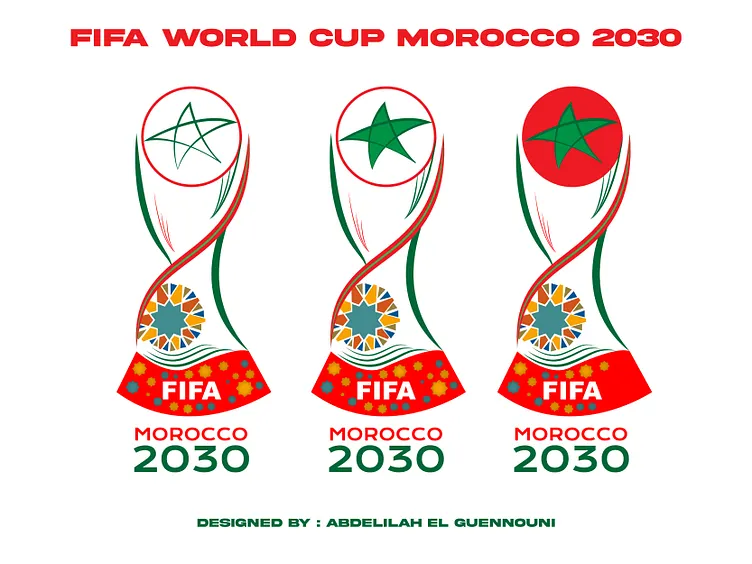
The primary backbone of the football world cup 2030 will sit firmly in Europe and North Africa. The selected lead nations taking on the vast majority of the tournament logistics are Spain, Portugal, and Morocco. This specific alliance unites world class stadiums like the newly upgraded Santiago Bernabeu with historic football citadels across the Mediterranean region.
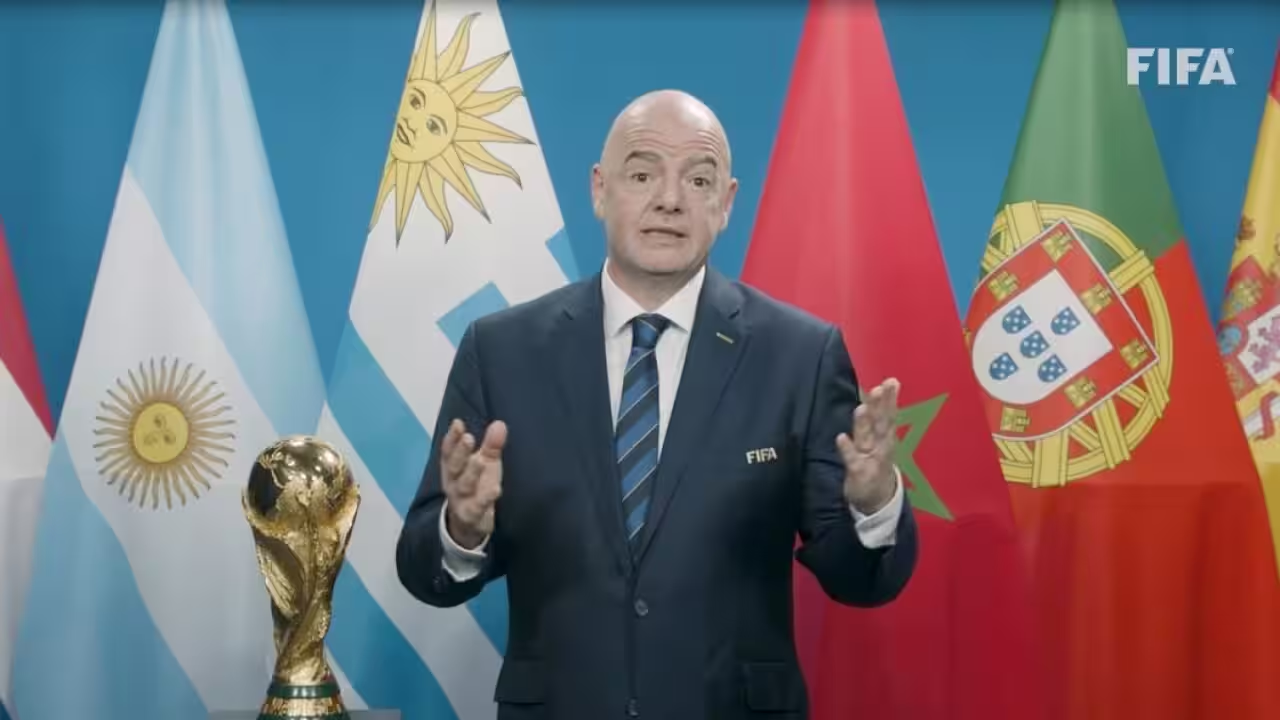
However, the opening phase of the football world cup 2030 contains a highly sentimental twist. Because the first global tournament took place in South America exactly one century earlier, three South American nations will host the opening celebratory matches. Uruguay, Argentina, and Paraguay will each host one inaugural game on home soil. After these opening fixtures conclude, every participating squad will fly across the Atlantic Ocean to finish the remaining group stage and knockout rounds in the Mediterranean hub. This extraordinary plan cements the football world cup 2030 as the most geographically expansive sporting event ever conceived.
Why the Chosen World Cup 2030 Host Lineup is Historic
The philosophy behind selecting this complex world cup 2030 host matrix is deeply tied to tradition, political diplomacy, and celebration. The international governing body required a meaningful way to celebrate the anniversary of the first tournament held in Montevideo. Granting Uruguay the opening match serves as a direct salute to the heritage of the sport.
At the same time, combining Spain, Portugal, and Morocco as the core world cup 2030 host pillars builds an athletic bridge between two distinct continents. This decision means Morocco will host senior tournament matches for the first time, achieving a long term goal for African football infrastructure. For enthusiasts who review real time tournament metrics on NotOut, this cross continental framework indicates a major shift in how future international sports events will be awarded.
Comparative Overview of 2026 and 2030 Tournaments
To help you visualize how these two historic events compare, let us examine the main operational elements of both editions side by side.
| Tournament Attribute | 2026 Tournament Layout | Football World Cup 2030 Layout |
| Host Countries | United States, Canada, Mexico | Spain, Portugal, Morocco, Uruguay, Argentina, Paraguay |
| Continents Involved | North America | Europe, Africa, South America |
| Total Competing Teams | Forty eight countries | Forty eight countries |
| Core Structural Theme | Regional multi nation expansion | Centenary celebration and continental unity |
| Main Logistics Challenge | Managing vast overland distances | Transatlantic travel after opening games |
This structured view shows the clear migration away from single country hosting duties toward expansive, multi government athletic festivals. Monitoring these updates through targeted media spaces is the absolute best way to track these complex structural transformations.
The Pros and Cons of Multi Nation Hosting
The transition toward naming a multi nation world cup 2030 host structure has sparked intense conversation among tactical analysts and environmental experts alike. Let us look at the positive and negative sides of this modern hosting philosophy.
The Advantages
First, sharing tournament operational costs offers immense economic relief. Building gigantic new stadiums that might sit completely abandoned after a tournament concludes is a massive financial risk for any individual nation. By spreading the matches across existing elite stadiums, host countries can use their current infrastructure without hurting public budgets.
Second, it expands global sports inclusivity. More countries getting a chance to host means fans from diverse regions can feel the tournament atmosphere firsthand. Morocco working alongside Spain and Portugal delivers a rich cultural mixture that will surely elevate the fan zone experience.
The Disadvantages
The biggest issue involves complicated team travel logistics. For the football world cup 2030, certain teams must start their tournament run in South America and then immediately cross the Atlantic Ocean to adjust to a completely new time zone for their final group matches. This creates clear risks regarding jet lag, training schedules, and player physical exhaustion.
Another concern is the environmental impact of long distance air travel. Increasing the number of flights for squads, stadium personnel, and hundreds of thousands of international travelers clashes with global sustainability targets. Managing carbon reduction strategies across six separate governments will require incredible administrative coordination.
What These Structural Changes Mean for Everyday Fans
If you are a fan trying to watch the action from home or plotting a trip to see the games live, these formats shift your preparation entirely. The transition to forty eight teams guarantees a larger number of matches, fresh tactical matchups, and a higher chance of surprise underdog stories making a deep run.
For the 2026 tournament, regional zoning means you can target one specific coastline or time zone cluster to catch several games without moving across an entire continent. For the football world cup 2030 version, supporters have to choose early whether they want to see the sentimental centenary games in South America or settle into the Euro African zone for the high stakes knockout rounds. Checking the regular updates published on NotOut will help you stay informed about ticket lotteries and venue announcements.
Frequently Asked Questions About Future Hosts
Which countries are hosting the 2026 tournament?
The 2026 tournament is co hosted by the United States, Canada, and Mexico, with sixteen cities across North America selected to host matches.
Why are six countries involved in the football world cup 2030?
The unique structure relies on Spain, Portugal, and Morocco as the core tournament anchors, while Uruguay, Argentina, and Paraguay host the opening centenary games to celebrate one hundred years of tournament history.
How many teams will enter the football world cup 2030?
The tournament will follow the expanded blueprint introduced in 2026, meaning forty eight nations will qualify for the group stage.
Where can I find official confirmations regarding stadiums and schedules?
For official press releases, regulatory announcements, and verified tournament rules, the official Fifa digital portal acts as the ultimate governing authority for world football news.
Essential Resources for Tournament Tracking
When you are mapping out future sports travel or looking for analytical data on stadium construction timelines, checking reliable international sports media is highly recommended. For investigative journalism regarding player welfare, travel schedules, and international logistics, the global coverage provided by BBC Sports offers excellent editorial insight. Combining these global resources with local analytical platforms gives fans a complete view of the changing sports landscape.
Final Thoughts on the Future of International Football
The era of a single country hosting a massive football tournament appears to be evolving into something much larger. The upcoming tournament cycles demonstrate that the future of the sport relies on international cooperation, cultural exchange, and grand historical celebrations. From the massive stadium corridors of North America to the ambitious multi continent blueprint defining the football world cup 2030, we are entering a thrilling decade for sports fans.
As the designated world cup 2030 host nations begin their formal structural preparations, tournament anticipation will continue to grow worldwide. Whether you are analyzing squad statistics on NotOut or mapping out a travel itinerary to see the matches live, keeping up with these structural changes ensures you will not miss a moment of the action.
Which of the upcoming host nations are you most interested in visiting for a match?